

Obstructed arteries from the the neck and throat, also called carotid artery condition, create an important chance to overall health, as they can bring about strokes or transient ischemic attacks (TIAs), often referred to as "smaller-cerebral vascular accidents." Knowing the leads to, symptoms, and treatments for Symptoms of blocked arteries in your neck is crucial for sustaining cardiac overall health.
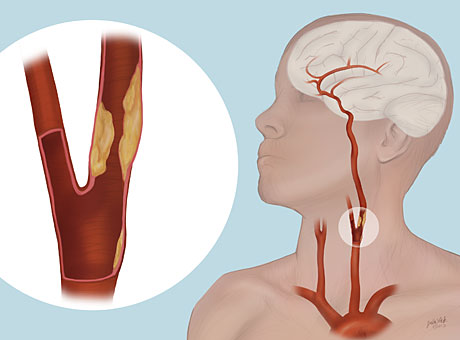
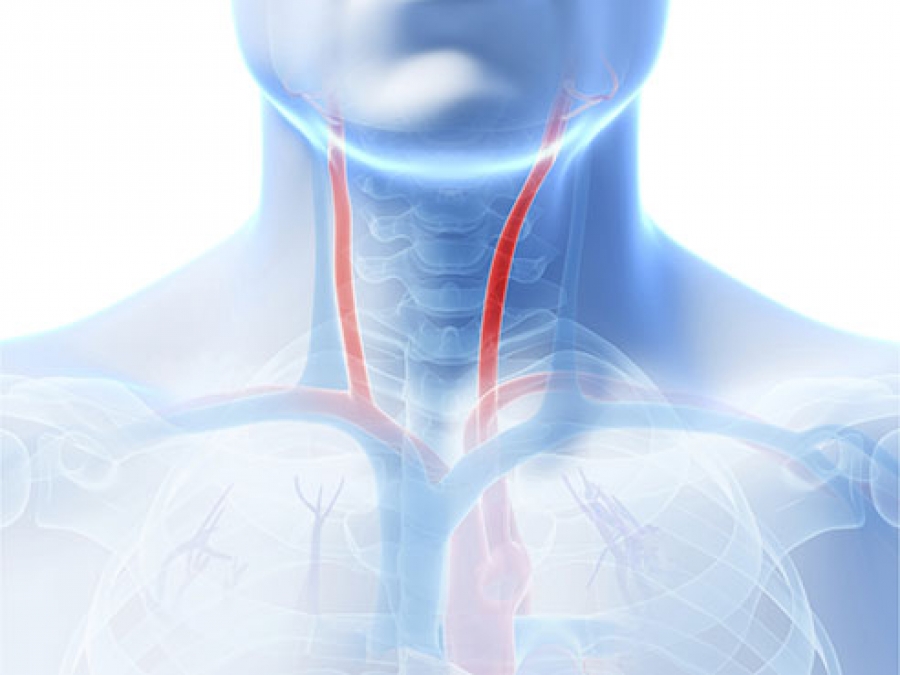
The carotid arteries are major veins located on each side in the the neck and throat, responsible for giving o2-rich blood flow on the mind. When these arterial blood vessels grow to be narrowed or obstructed due to a build-up of oral plaque, the stream of blood on the brain is confined, raising the danger of stroke.
One of several primary causes of clogged arterial blood vessels from the throat is atherosclerosis, a condition observed as the deposition of fatty build up, cholestrerol levels, and other compounds on the arterial surfaces. With time, these build up can harden and filter the arteries, decreasing circulation of blood. Other risks for carotid artery disease include cigarette smoking, elevated blood pressure, diabetic issues, weight problems, plus a sedentary way of life.
Signs of impeded arterial blood vessels inside the the neck and throat might not be noticeable till the problem has developed significantly. Nonetheless, signals such as abrupt lack of strength or tingling using one part in the entire body, difficulty talking or comprehending conversation, blurry sight, faintness, and serious head ache might point to a potential heart stroke or TIA and demand quick medical attention.
Proper diagnosis of carotid artery illness typically requires a combination of physical examinations, imaging checks including ultrasound, magnet resonance angiography (MRA), or calculated tomography angiography (CTA), and often cerebral angiography to evaluate the degree of blockage and determine the best therapy method.
Treatment methods for obstructed arteries inside the neck depend upon a variety of aspects, including the severity of the blockage and the individual's general health. Lifestyle alterations such as stopping smoking, following a healthy diet plan, exercising regularly, and handling fundamental situations like hypertension and diabetic issues will help slow-moving the progression of carotid artery illness.
In cases of extreme blockage or when signs and symptoms continue despite changes in lifestyle, health care interventions including drugs to lessen cholesterol levels and blood pressure levels or surgical procedures like carotid endarterectomy or carotid artery stenting might be advised to revive correct circulation of blood minimizing the potential risk of stroke.
To summarize, blocked arteries in the neck area create a critical hazard to cardiovascular system health and can cause potentially existence-harmful complications for example cerebrovascular accident. Knowing the chance variables, signs, and available treatment options is essential for earlier detection and efficient control over carotid artery condition, in the end minimizing the risk of cerebrovascular accident and enhancing general way of life. Regular healthcare examine-ups and lifestyle modifications perform a crucial role in avoiding and handling this disorder.